Pet Otter Legal States

 | Alabama | Illegal | |
 | Alaska | Illegal | |
 | Arizona | Illegal | |
 | Arkansas | Illegal | |
 | California | Legal | |
 | Colorado | Illegal | |
 | Connecticut | Illegal | |
 | Delaware | Illegal | |
 | District of Columbia | Illegal | |
 | Florida | Legal | |
 | Georgia | Illegal | |
 | Hawaii | Illegal | |
 | Idaho | Illegal | |
 | Illinois | Illegal | |
 | Indiana | Permit Required | |
 | Iowa | Illegal | |
 | Kansas | Illegal | |
 | Kentucky | Illegal | |
 | Louisiana | Illegal | |
 | Maine | Illegal | |
 | Maryland | Illegal | |
 | Massachusetts | Illegal | |
 | Michigan | Permit Required | |
 | Minnesota | Illegal | |
 | Mississippi | Illegal | |
 | Missouri | Legal | |
 | Montana | Illegal | |
 | Nebraska | Permit Required | |
 | Nevada | Legal | |
 | New Hampshire | Illegal | |
 | New Jersey | Illegal | |
 | New Mexico | Illegal | |
 | New York | Legal | |
 | North Carolina | Permit Required | |
 | North Dakota | Permit Required | |
 | Ohio | Legal | |
 | Oklahoma | Permit Required | |
 | Oregon | Permit Required | |
 | Pennsylvania | Permit Required | |
 | Rhode Island | Illegal | |
 | South Carolina | Illegal | |
 | South Dakota | Permit Required | |
 | Tennessee | Legal | |
 | Texas | Illegal | |
 | Utah | Illegal | |
 | Vermont | Illegal | |
 | Virginia | Permit Required | |
 | Washington | Illegal | |
 | West Virginia | Illegal | |
 | Wisconsin | Illegal | |
 | Wyoming | Illegal |
Last updated February 28, 2026
Understanding Otter Ownership Laws Across the United States
Owning an otter as a pet in the U.S. is one of the most tightly regulated forms of exotic animal ownership. While otters have become popularized on social media as playful companions, most states consider them wild animals that require specialized care and habitats—placing them under strict wildlife or exotic pet laws.
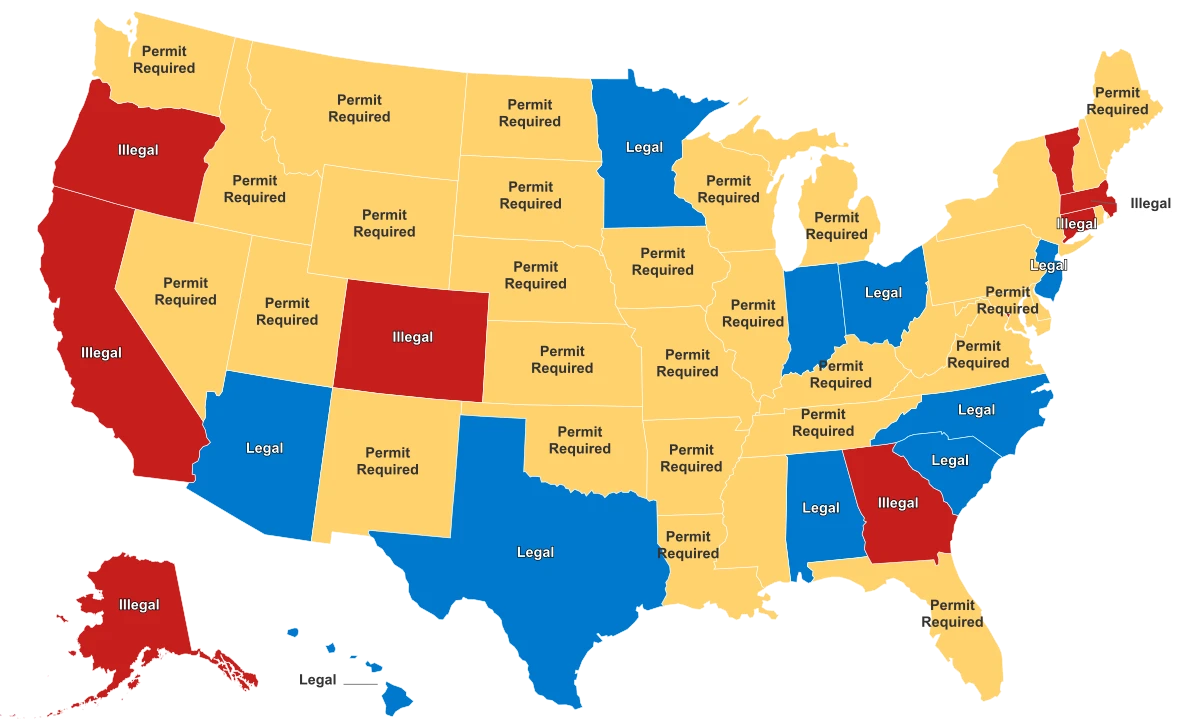
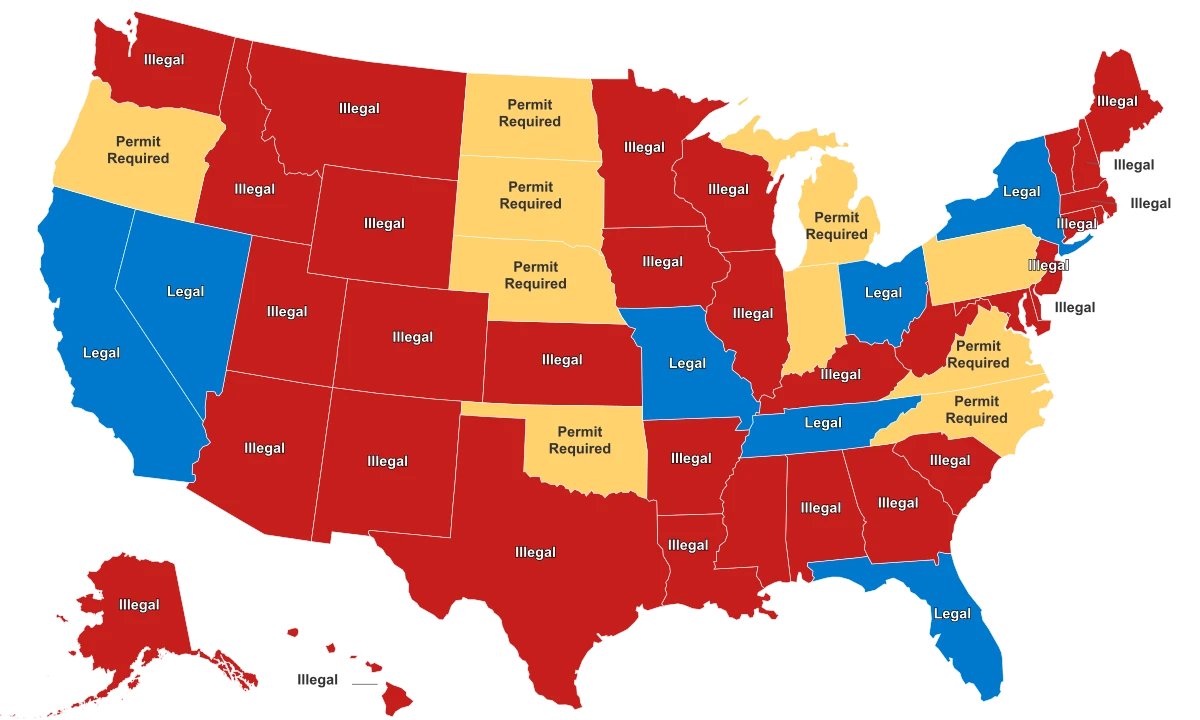
According to 2025 data compiled from state wildlife agencies and the U.S. Fish and Wildlife Service, the majority of states prohibit private otter ownership, while a limited number issue permits under controlled conditions. Only a handful of states—including Florida, Nevada, Missouri, and Tennessee—currently classify otters as legal pets without a permit.
The core distinction lies between native species (like the North American river otter) and non-native species (such as the Asian small-clawed otter). Native otters are often protected under the Marine Mammal Protection Act and state-level conservation laws, making it illegal to capture or possess them in most jurisdictions. Non-native species fall under exotic animal statutes that vary widely by state. In states where ownership is “permit required,” these permits are typically issued for education, research, or exhibition purposes, not casual pet ownership.
Beyond legality, otters present significant ethical and ecological challenges. They require large water enclosures, social companionship, and diets that mimic wild feeding habits—conditions rarely met in domestic settings. Conservation experts also warn that rising demand for pet otters contributes to illegal wildlife trade, especially in Southeast Asia, where wild populations of Asian small-clawed otters have declined sharply.
This dataset categorizes each U.S. state by its current stance on private otter ownership—Legal, Permit Required, or Illegal—to provide a clear national overview of how wildlife protection, animal welfare, and exotic-pet policy intersect in 2025.
All Metrics
| Region ↕ | Pet Otter Legality↕ | Pet Fox Legality 2023↕ | Pet Raccoon Legality 2023↕ | Pet Capybara Legality↕ |
|---|---|---|---|---|
| Texas | Illegal | |||
| Hawaii | Illegal | |||
| Missouri | Legal | |||
| Delaware | Illegal | |||
| New York | Legal | |||
| New Jersey | Illegal | |||
| Mississippi | Illegal | |||
| Wyoming | Illegal | |||
| Alabama | Illegal | |||
| Oklahoma | Permit Required | |||
| Virginia | Permit Required | |||
| Washington | Illegal | |||
| Nebraska | Permit Required | |||
| South Dakota | Permit Required | |||
| Utah | Illegal | |||
| Nevada | Legal | |||
| Indiana | Permit Required | |||
| Maine | Illegal | |||
| Maryland | Illegal | |||
| Minnesota | Illegal | |||
| Kansas | Illegal | |||
| Alaska | Illegal | |||
| Pennsylvania | Permit Required | |||
| Tennessee | Legal | |||
| Florida | Legal | |||
| South Carolina | Illegal | |||
| Colorado | Illegal | |||
| Louisiana | Illegal | |||
| Oregon | Permit Required | |||
| Massachusetts | Illegal | |||
| District of Columbia | Illegal | |||
| Iowa | Illegal | |||
| Montana | Illegal | |||
| Rhode Island | Illegal | |||
| North Dakota | Permit Required | |||
| Kentucky | Illegal | |||
| Vermont | Illegal | |||
| North Carolina | Permit Required | |||
| Arizona | Illegal | |||
| Connecticut | Illegal | |||
| Illinois | Illegal | |||
| Ohio | Legal | |||
| Arkansas | Illegal | |||
| Michigan | Permit Required | |||
| West Virginia | Illegal | |||
| New Mexico | Illegal | |||
| Georgia | Illegal | |||
| New Hampshire | Illegal | |||
| Wisconsin | Illegal | |||
| California | Legal | |||
| Idaho | Illegal |
Key Findings
- Outright illegal in 37 states. Most states, including California, Texas, New York, and Washington, prohibit private otter ownership altogether.
- Permit required in 10 states. A small group—such as North Carolina, Michigan, Pennsylvania, and Oregon—allow ownership only with a wildlife or exotic animal permit.
- Fully legal in only 4 states: Florida, Nevada, Missouri, and Tennessee are currently the only states where keeping an otter as a pet is explicitly legal under certain animal welfare standards.
- Environmental protection drives restrictions. U.S. laws aim to prevent the capture of wild otters and mitigate the exotic-pet trade, which threatens endangered Asian small-clawed otters through illegal trafficking.
- Federal protections apply. Native North American river otters are protected under the Marine Mammal Protection Act (MMPA) in several coastal states, making private ownership federally restricted regardless of state rules.
Owning an Otter in the U.S.
Legal States
-
Florida, Missouri, Nevada, Tennessee
These states allow otters as pets with minimal restrictions, although owners must typically comply with animal-welfare or enclosure standards. Florida, for instance, classifies otters as “Class III Wildlife,” which can be kept with proper care documentation.
Permit Required
-
North Carolina, Pennsylvania, Michigan, Oregon, Indiana, Virginia, Nebraska, North Dakota, South Dakota, Oklahoma
These states issue special exotic-animal or wildlife permits. Most require proof of experience, licensed enclosures, and inspection by wildlife authorities. The otter’s species (native or exotic) often determines eligibility.
Illegal in Most States
- The remaining 37 states and D.C. ban private ownership altogether. States such as California, New York, Texas, Illinois, and Washington cite animal-welfare concerns, zoonotic disease risk, and conservation ethics. Many have criminal penalties for possession without authorization.
Sources & Notes
Legal status of owning otters as pets.
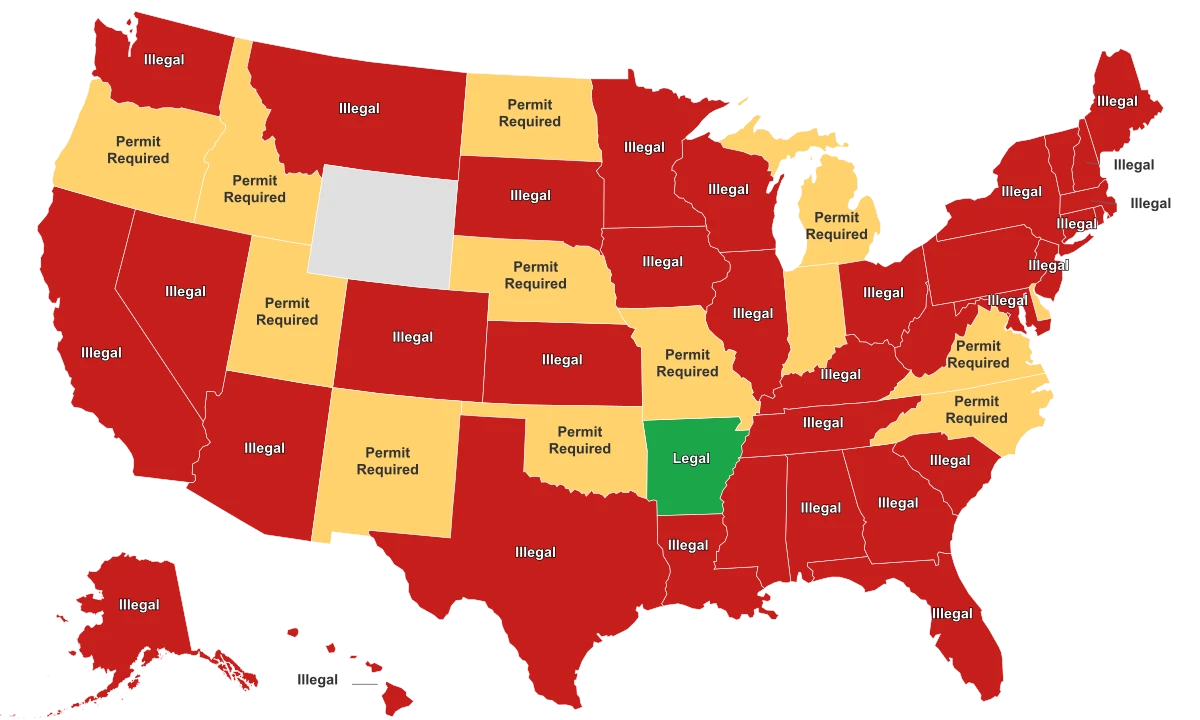
Legal status of owning foxes as pets.
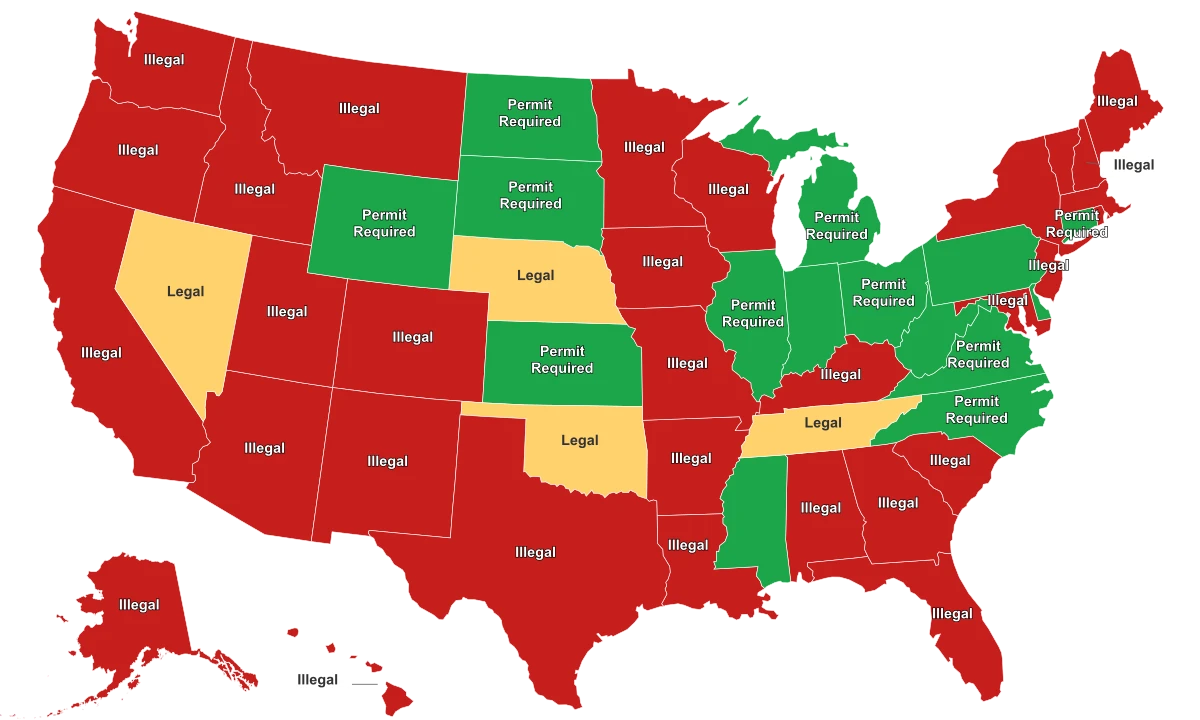
Legal status of owning raccoons as pets.
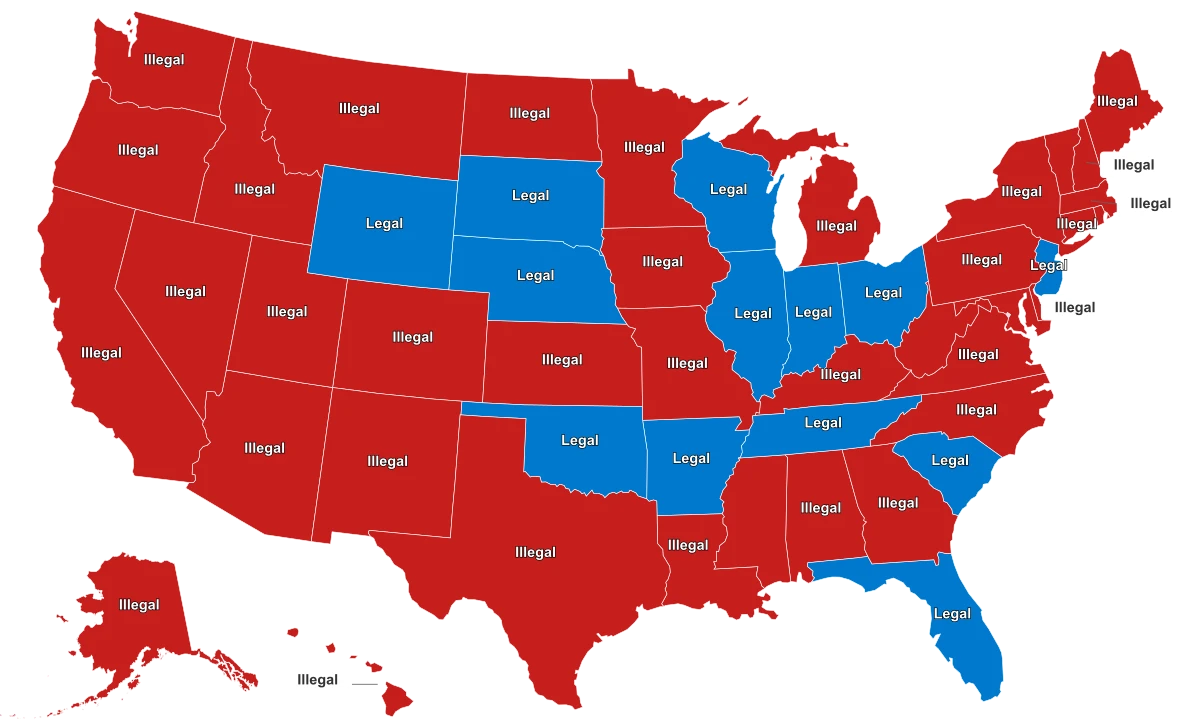
Legal status of owning capybaras as pets.