Pet Capybara Legal States

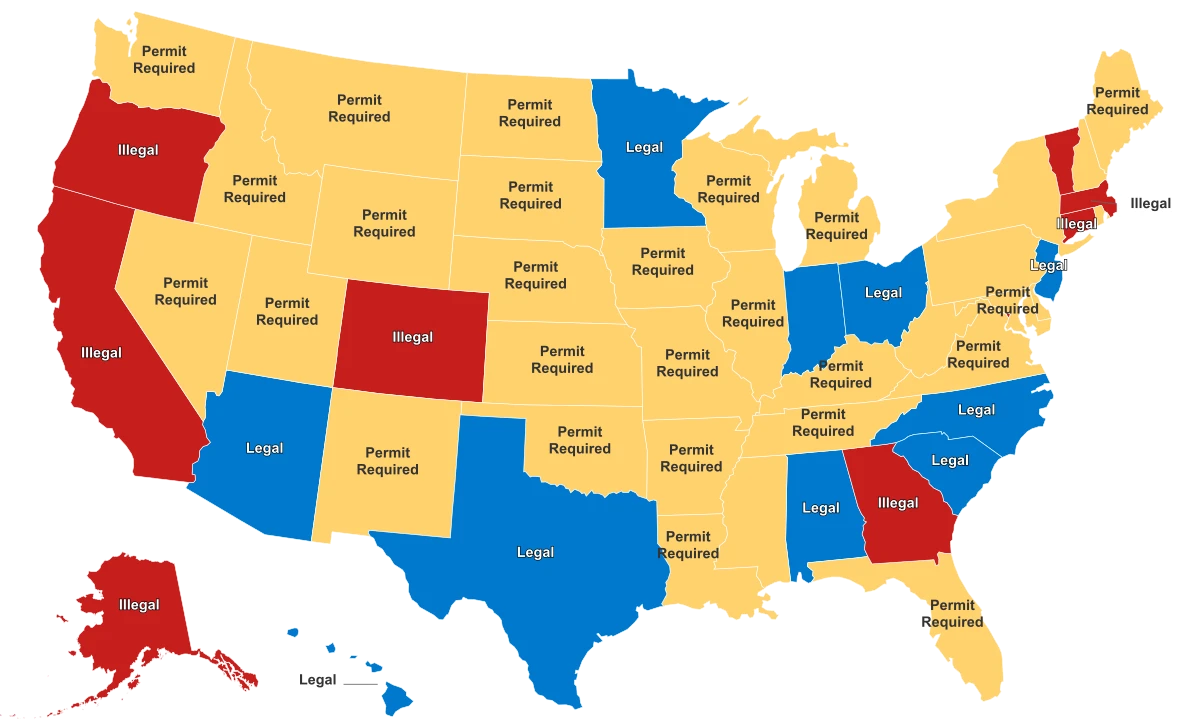
 | Alabama | Legal | |
 | Alaska | Illegal | |
 | Arizona | Legal | |
 | Arkansas | Permit Required | |
 | California | Illegal | |
 | Colorado | Illegal | |
 | Connecticut | Illegal | |
 | Delaware | Permit Required | |
 | District of Columbia | Illegal | |
 | Florida | Permit Required | |
 | Georgia | Illegal | |
 | Hawaii | Legal | |
 | Idaho | Permit Required | |
 | Illinois | Permit Required | |
 | Indiana | Legal | |
 | Iowa | Permit Required | |
 | Kansas | Permit Required | |
 | Kentucky | Permit Required | |
 | Louisiana | Permit Required | |
 | Maine | Permit Required | |
 | Maryland | Permit Required | |
 | Massachusetts | Illegal | |
 | Michigan | Permit Required | |
 | Minnesota | Legal | |
 | Mississippi | Permit Required | |
 | Missouri | Permit Required | |
 | Montana | Permit Required | |
 | Nebraska | Permit Required | |
 | Nevada | Permit Required | |
 | New Hampshire | Permit Required | |
 | New Jersey | Legal | |
 | New Mexico | Permit Required | |
 | New York | Permit Required | |
 | North Carolina | Legal | |
 | North Dakota | Permit Required | |
 | Ohio | Legal | |
 | Oklahoma | Permit Required | |
 | Oregon | Illegal | |
 | Pennsylvania | Permit Required | |
 | Rhode Island | Permit Required | |
 | South Carolina | Legal | |
 | South Dakota | Permit Required | |
 | Tennessee | Permit Required | |
 | Texas | Legal | |
 | Utah | Permit Required | |
 | Vermont | Illegal | |
 | Virginia | Permit Required | |
 | Washington | Permit Required | |
 | West Virginia | Permit Required | |
 | Wisconsin | Permit Required | |
 | Wyoming | Permit Required |
Last updated February 28, 2026
Animal Profile and Legal Considerations for Capybaras
Capybaras are the largest rodents on Earth, native to South America, and naturally live in semi-aquatic habitats—typically near ponds, rivers or wetlands. As pets, they present a unique set of challenges: they grow large (often over 100 lbs), require constant access to water for swimming and cooling, and are highly social creatures that thrive in groups rather than isolation.
From a legality and welfare perspective, several key issues emerge:
- Exotic animal designation: Capybaras are not domesticated species (i.e., like dogs or cats); they are wild animals, and in many jurisdictions classified as “exotic” or non-native species.
- Ecological/invasive risk: In states like California, capybaras are banned or tightly regulated because they are non-native and could become invasive if they escape into wild habitats—potentially disrupting ecosystems.
- Animal-welfare and care demands: Because of their size, social needs, aquatic lifestyle and environment requirements, many experts argue capybaras are unsuitable for typical household pet settings. Without proper habitat, social pairing, enclosure size and water features, welfare outcomes can suffer.
- Regulatory patchwork: U.S. state laws vary dramatically. Some states allow capybara ownership (sometimes with permits), others prohibit it outright. Local (city/county) ordinances may further restrict ownership even where state law allows it.
- Legal consequences: In states where capybaras are prohibited, owners who acquire them without authorization risk fines, confiscation, licensing violations or criminal charges. For example, California enforces strict prohibition of capybaras without a permit.
All Metrics
| Region ↕ | Pet Capybara Legality↕ | Pet Fox Legality 2023↕ | Pet Raccoon Legality 2023↕ | Pet Otter Legality↕ |
|---|---|---|---|---|
| Texas | Legal | |||
| Hawaii | Legal | |||
| Missouri | Permit Required | |||
| Delaware | Permit Required | |||
| New York | Permit Required | |||
| New Jersey | Legal | |||
| Mississippi | Permit Required | |||
| Wyoming | Permit Required | |||
| Alabama | Legal | |||
| Oklahoma | Permit Required | |||
| Virginia | Permit Required | |||
| Washington | Permit Required | |||
| Nebraska | Permit Required | |||
| South Dakota | Permit Required | |||
| Utah | Permit Required | |||
| Nevada | Permit Required | |||
| Indiana | Legal | |||
| Maine | Permit Required | |||
| Maryland | Permit Required | |||
| Minnesota | Legal | |||
| Kansas | Permit Required | |||
| Alaska | Illegal | |||
| Pennsylvania | Permit Required | |||
| Tennessee | Permit Required | |||
| Florida | Permit Required | |||
| South Carolina | Legal | |||
| Colorado | Illegal | |||
| Louisiana | Permit Required | |||
| Oregon | Illegal | |||
| Massachusetts | Illegal | |||
| District of Columbia | Illegal | |||
| Iowa | Permit Required | |||
| Montana | Permit Required | |||
| Rhode Island | Permit Required | |||
| North Dakota | Permit Required | |||
| Kentucky | Permit Required | |||
| Vermont | Illegal | |||
| North Carolina | Legal | |||
| Arizona | Legal | |||
| Connecticut | Illegal | |||
| Illinois | Permit Required | |||
| Ohio | Legal | |||
| Arkansas | Permit Required | |||
| Michigan | Permit Required | |||
| West Virginia | Permit Required | |||
| New Mexico | Permit Required | |||
| Georgia | Illegal | |||
| New Hampshire | Permit Required | |||
| Wisconsin | Permit Required | |||
| California | Illegal | |||
| Idaho | Permit Required |
Key Findings
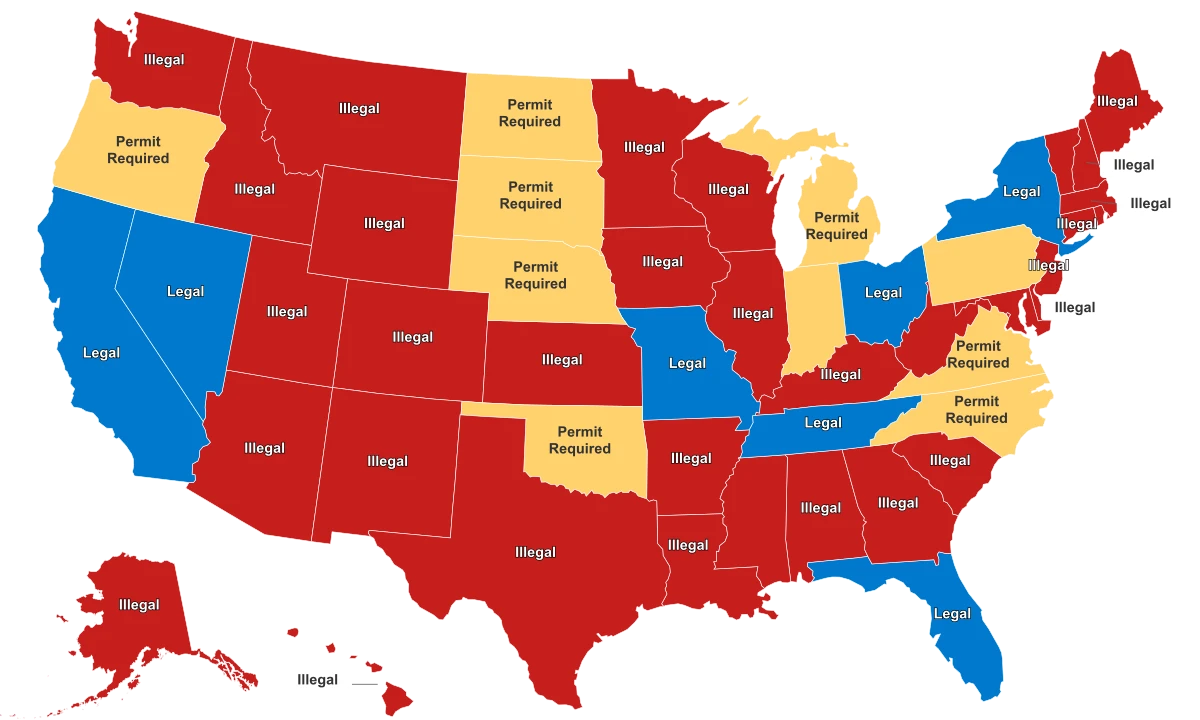
- Most U.S. states allow capybara ownership, but many require permits or strict housing standards.
- Fully legal states include Texas, Arizona, Alabama, and North Carolina, where capybaras can be kept without special authorization.
- Around 20 states classify them as “Legal with Permit”, including Florida, Tennessee, Virginia, and Illinois, requiring proof of adequate facilities and care.
- Bans remain in place in states like California, Colorado, Oregon, Massachusetts, and Connecticut, mainly due to welfare and invasive-species concerns.
- Regulations vary by county, so local restrictions can apply even where state law allows ownership.
Owning a Capybara in the U.S.
Legal States
States such as Texas, Arizona, Alabama, North Carolina, South Carolina, and Minnesota allow private capybara ownership with few or no state-level permit requirements. The regulatory environment is typically more permissive because capybaras are treated similarly to large exotic rodents or livestock in these jurisdictions. This often reflects warmer climates, lower perceived ecological risk, and fewer restrictions on exotic-pet ownership.
Legal With Permit (Permit Required)
About twenty states, including Florida, Tennessee, Virginia, Illinois, Wisconsin, and Washington, allow ownership only under regulated conditions: obtains a permit, meets housing/containment standards, may require inspections or special enclosures. States in this category balance the demand for exotic pets with welfare and ecological protection by placing oversight on owners. For example Florida classifies capybaras under “Class III Wildlife” requiring detailed application.
Illegal
California, Colorado, Oregon, Massachusetts, Connecticut, Alaska, and Vermont prohibit private ownership of capybaras entirely, typically due to concerns about non-native species becoming invasive, animal-welfare issues given their size and habitat needs, and public safety or environmental risk. California, for instance, lists capybaras among “restricted animals” and imposes heavy penalties for possession.
Sources & Notes
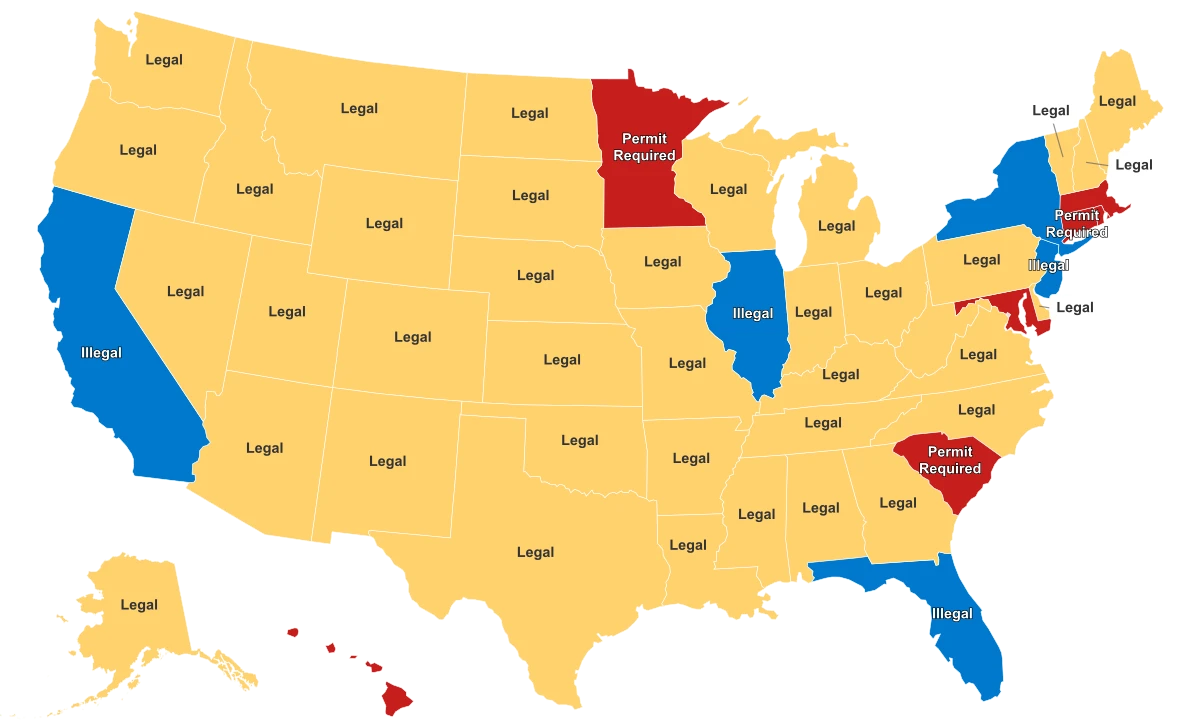
Legal status of owning capybaras as pets.
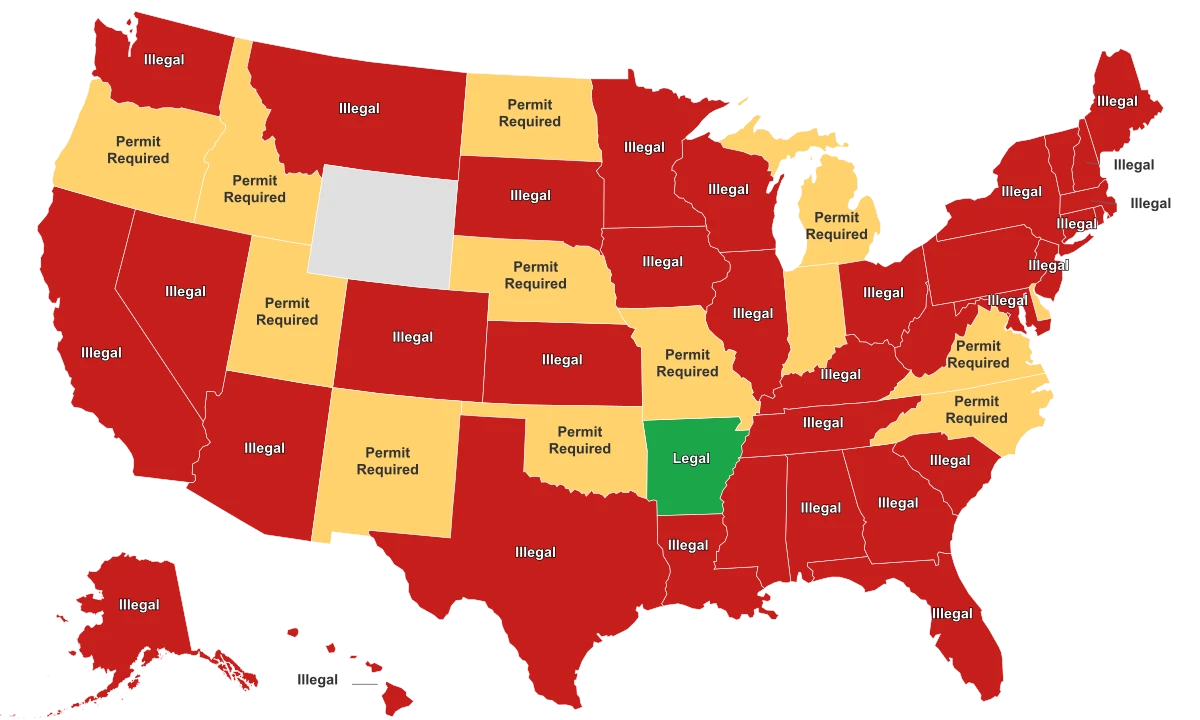
Legal status of owning foxes as pets.
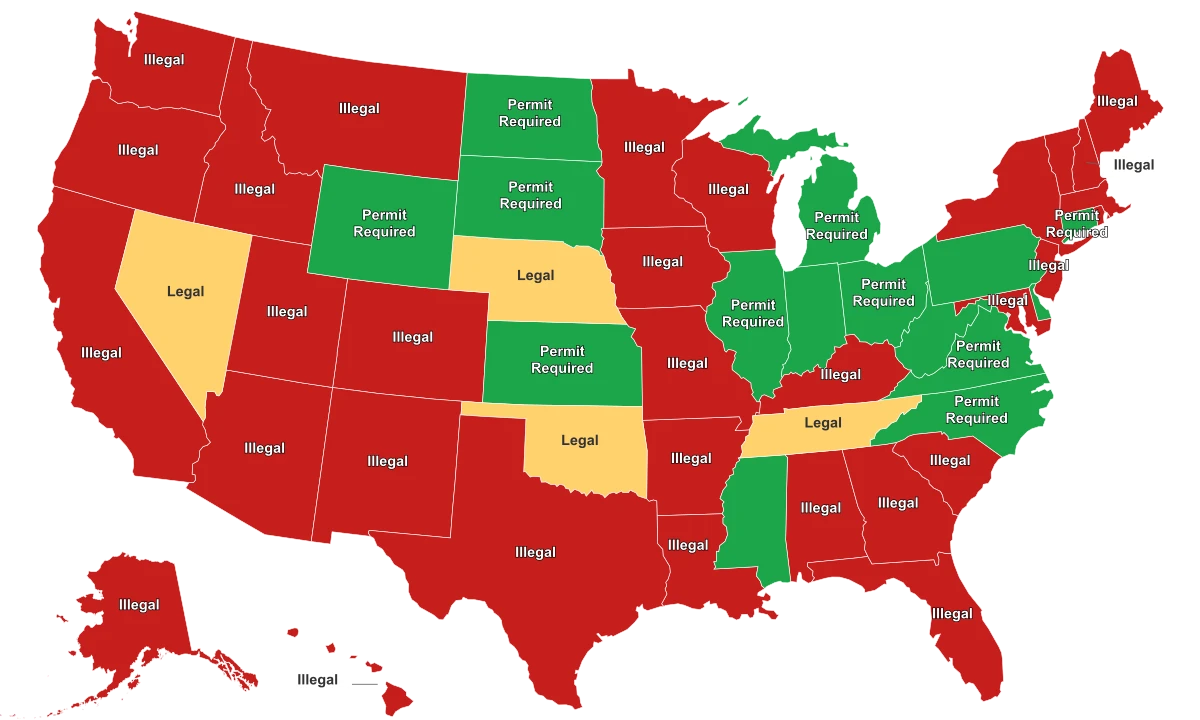
Legal status of owning raccoons as pets.
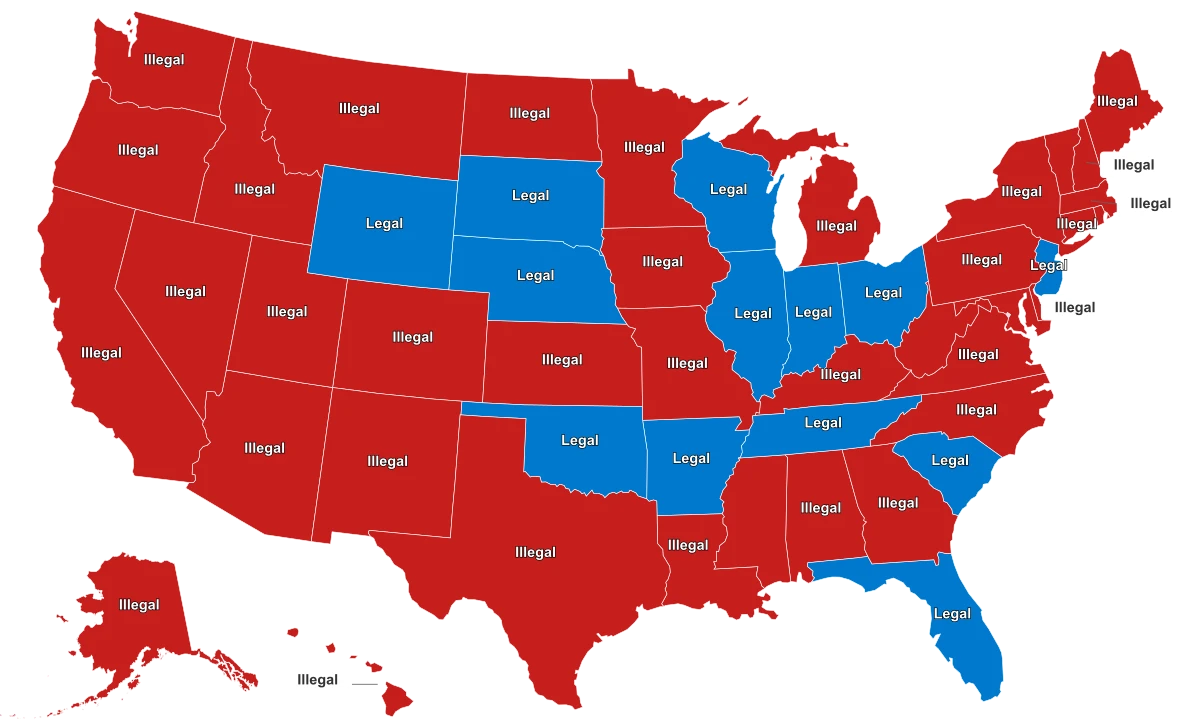
Legal status of owning otters as pets.